
Guildford vs Woking.


Rent, commute and lifestyle compared.
Guildford and Woking are both towns in Surrey, just southwest of London. Both sit on the same railway line into London Waterloo, one of the city’s main train stations. The journey from either town takes well under an hour, making both an easy commute into central London. But that’s where the similarities end.
Guildford is built around a castle, a river and a university. It’s a place with its own history, long before anyone thought about commuting. Woking is different. It started life as a railway junction, and has spent the last decade rebuilding its town centre around that same line. Once the working day is done, the two towns feel nothing alike. Guildford leans historic and independent. Woking leans newly rebuilt and retail-led. Either way, both suit anyone splitting the week between a desk in London and a weekend closer to home.
Key takeaways
Guildford's fastest direct trains reach London Waterloo in around 35 to 40 minutes. Woking is quicker, taking as little as 24 minutes, though both run frequent services throughout the day.
Rent in Guildford and Woking sits in a similar bracket. Neither town is reliably cheaper than the other. What the rent actually buys day to day matters more than the headline figure.
Guildford has a wider range of green space, including the Surrey Hills Area of Outstanding Natural Beauty, Stoke Park and the River Wey,.Woking's Horsell Common is larger but wilder.
Guildford tends to come out ahead for young professionals weighing up commute, cost and everyday life together, helped by all-inclusive rent at The Guild by Morro.
The towns: a county town and a commuter hub
Guildford is Surrey's county town. It's built around a Norman castle and a steep, cobbled High Street that runs down to the River Wey. A long standing university adds a steady energy to the town. Plenty of graduates stay on locally once term ends. They're drawn by the same jobs and transport links that pull in professionals from further afield.
Woking grew up differently. It expanded around its railway junction in the nineteenth century, and has stayed a commuter and retail town ever since. The town centre has been rebuilt several times, most recently around the Victoria Place development. It's a practical, well connected place rather than a destination in its own right. That's starting to change as the centre fills back in.
Both sit inside the Surrey commuter belt. But each has its own centre, its own identity, and increasingly its own reasons to stay local on a Saturday rather than head into town.
Read more: Is Guildford a good place to live?
The neighbourhood: schools, transport and demand
Guildford draws steady demand from commuters leaving London for more space, helped by well regarded schools around Burpham and Merrow and direct, frequent trains into Waterloo. It's one of the more affluent, desirable parts of the South East of England, which only sharpens that demand. And it's the right size for a real sense of community: big enough that there's always something new to find, small enough that regulars get recognised at the local café or pub.
Woking pulls from the same pool of London leavers, with its own well regarded schools and a station handling some of the fastest services on the line. Demand is high on both sides. The difference comes down to what's on offer once the commute is over.
The cost: what the rent actually buys
Rent in Guildford and Woking sits in a similar bracket for most renters. Neither town is dramatically more expensive than the other. That puts more weight on what the rent actually buys day to day, not just the headline figure.
At The Guild by Morro, studios start from £1,470 a month. That's one payment covering the apartment, bills, gym membership, co-working space and laundry. No separate bills to chase. Nothing extra to budget for beyond rent.
The commute: same line, different speeds
Guildford's fastest direct trains reach London Waterloo in around 35 to 40 minutes. They run several times an hour at peak times, with South Western Railway. Woking's fastest direct trains are quicker, reaching Waterloo in as little as 24 to 30 minutes.
Both stations run frequent direct services throughout the day, so neither town leaves a renter waiting long on the platform. The gap between them is real: typically 10 to 15 minutes each way, depending on the service. It's the one place where Woking has a genuine edge, though not enough on its own to outweigh everything else Guildford offers.
The weekend: what's actually on
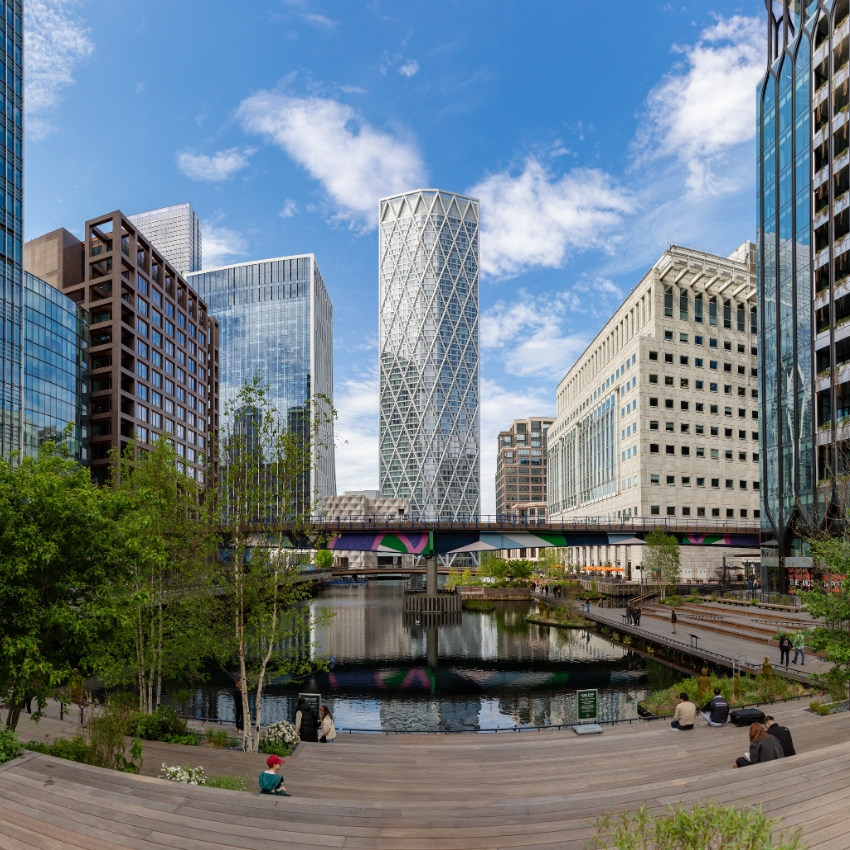
This is the clearest gap between the two areas. Canary Wharf's outdoor spaces, Jubilee Park, Canada Square Park and the Crossrail Place roof garden, are well designed but modest, built to give office workers somewhere to eat lunch rather than somewhere to spend a Saturday.
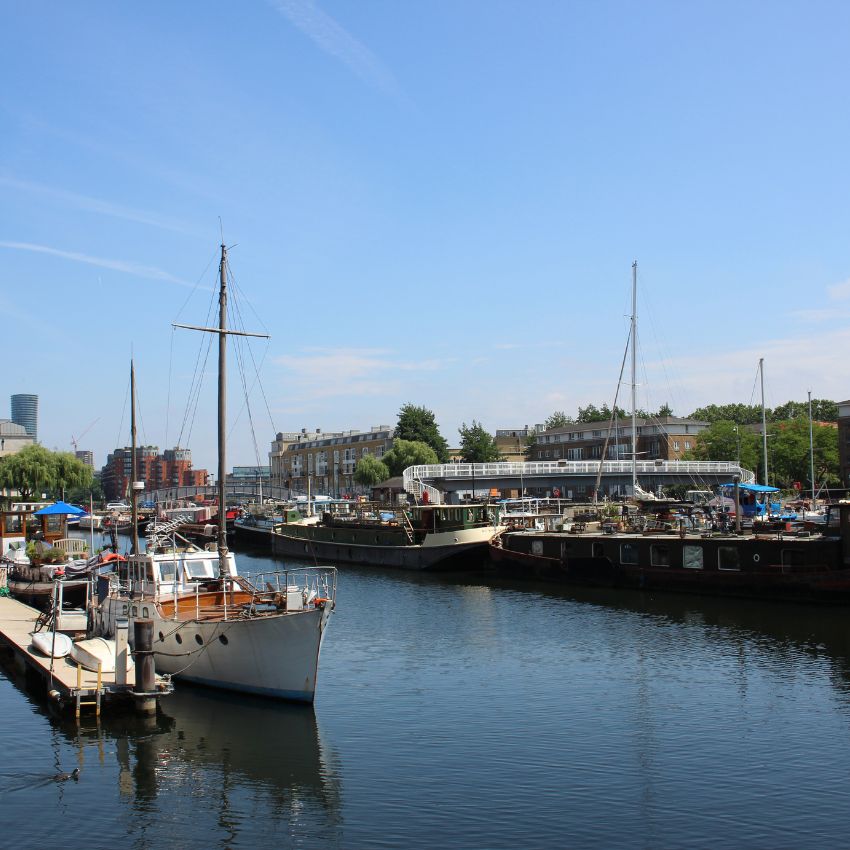
Canada Water has Southwark Park as its anchor: tree-lined paths, a boating lake, a bandstand and two contemporary art galleries. Just beyond it, Russia Dock Woodland and Stave Hill Ecological Park, about twelve minutes on foot, feel closer to countryside than city, and Greenland Dock has turned one of London's oldest docks into a working water sports hub for rowing, paddleboarding and open water swimming.
If an outdoor lifestyle matters to you, this is where Canada Water pulls ahead by some distance.
Green space: two different kinds of outdoors
Both are legitimate options, and neither is a bad choice, but they're built for slightly different people. Canary Wharf makes sense if your work and your social life both revolve entirely around the district itself. For most people balancing commute, cost and everyday life, Canada Water is the stronger call: close to central London, with Canary Wharf just two minutes away if you ever need it, more genuine green space, a more distinctive social scene, and rent that goes further, especially once it's all bundled into one bill.
If that's you, The Alba by Morro is worth putting at the top of the list. It offers fully furnished, all-inclusive apartments to rent with a 24/7 gym, co-working spaces, and bills included. Plus two rooftop terraces on the 13th floor for the days you want the view without leaving home. One bill, no separate direct debits to set up, and everything you'd otherwise be sourcing yourself already sorted.
FAQs
1. Is Canada Water more affordable than Canary Wharf?
Canada Water is generally more affordable than Canary Wharf. Canary Wharf commands a premium as one of London's most in-demand commuter addresses.
2. How long does it take to get from Canada Water to Canary Wharf?
Getting from Canada Water to Canary Wharf takes about two minutes on the Jubilee line, just one stop. It's close enough that plenty of people who work in Canary Wharf choose to live in Canada Water instead, without adding any real time to their day.
3. Are Canada Water and Canary Wharf in the same travel zone?
Canada Water and Canary Wharf both sit in Travelcard Zone 2. The cost of getting around is the same either way, it's the character of each area that differs.
4. Is Canada Water a good area for green space?
Canada Water is a strong choice for green space. Southwark Park, Russia Dock Woodland, Stave Hill Ecological Park and Greenland Dock are all within easy walking distance.
5. Where can I rent near Canada Water tube station?
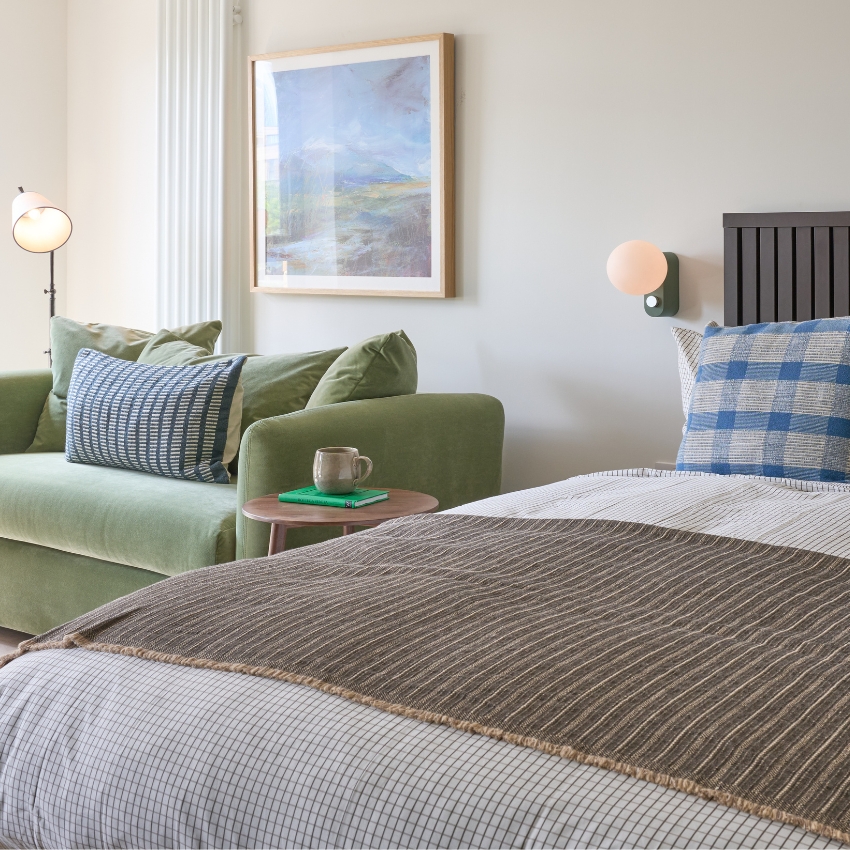
The Alba by Morro is an all-inclusive apartment to rent in Canada Water, open since September 2026 and five minutes' walk from the station. One monthly payment covers utilities, Wi-Fi, a fully-equipped gym, shared lounges, co-working space and 24/7 concierge. Studios come with a double bed on a pocket-sprung mattress, a private kitchen and bathroom, and a dishwasher and washer/dryer already fitted, no separate bills, nothing left to arrange yourself.
More stories
Canada Water vs Canary Wharf: Which Is better?
Read article
Best coffee shops in Canada Water
Read article
New to the city? Best areas to live in London as a remote worker
Read article
Things to do near Canada Water on the weekend
Read article
Why Canada Water is a commuter's dream
Read article